Who’s Responsible When a Self-Driving Uber’s Backup Driver Causes an Accident? Navigating Liability & Insurance
Introduction—Who Pays When a Self-Driving Uber Crashes
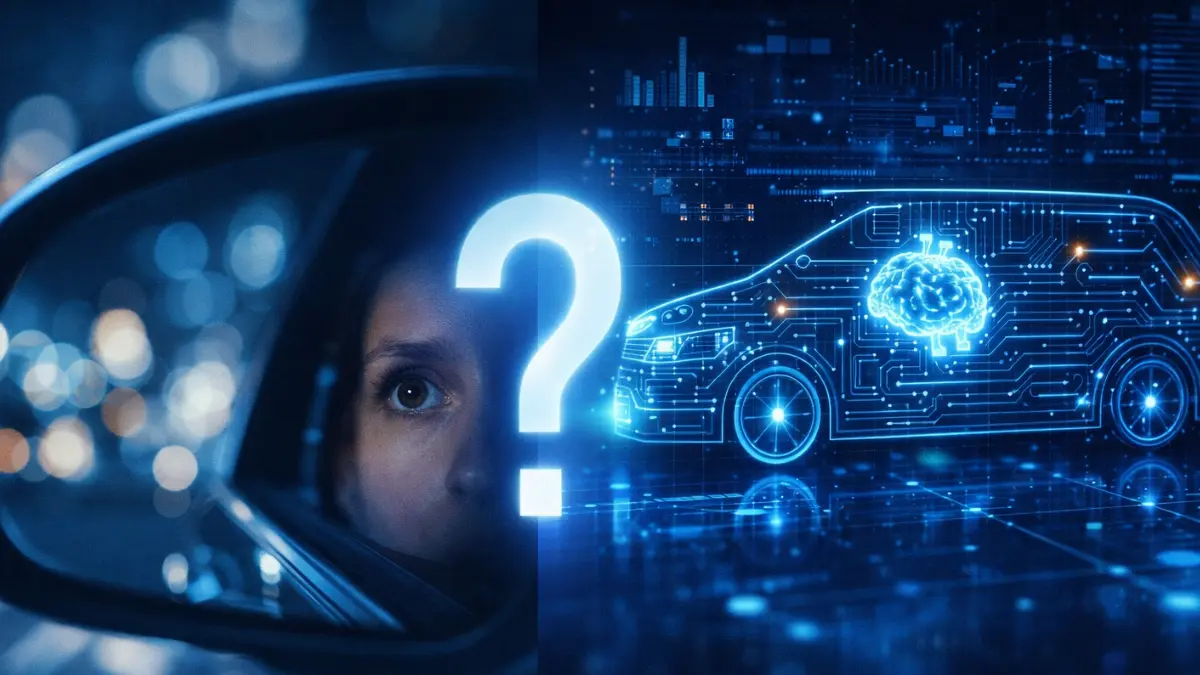
Who Pays When a Self-Driving Uber Crashes In March 2018, an autonomous Uber vehicle struck and killed a pedestrian in Tempe, Arizona. While the car was in self-driving mode, a human backup driver was behind the wheel. This tragic incident became a global case study, forcing us to ask a critical, complex question: When an accident involves a self-driving car with a safety driver, who is legally and financially responsible? The answer lies in a tangled web of liability, insurance, and emerging technology. This article breaks down the key points, using real-world examples, to explain where liability likely falls and how insurance is meant to respond in these cutting-edge—and often confusing—accidents.
1. The Three-Way Liability Triangle
In a traditional car accident, liability is usually straightforward: it falls on the negligent human driver. With a “self-driving” car (specifically a Level 3-4 automated vehicle) that requires a backup driver, liability becomes a three-party triangle.
- The Backup Driver (Human Operator): Their primary job is to monitor the system and intervene if the technology fails or encounters a situation it can’t handle. If they are distracted, untrained, or fail to take control appropriately, they can be held personally negligent.
- The Vehicle Manufacturer/Uber (Software & Hardware): The company that developed the self-driving system (Uber’s ATG, Waymo, etc.) can be liable for product defects. This includes software bugs, faulty sensor data, poor object classification, or inadequate system safety limits.
- The “Owner” (Fleet Operator/Uber): As the entity deploying the vehicle on public roads, Uber can be held liable under vicarious liability (like an employer is responsible for an employee’s actions) or for negligent hiring, training, or supervision of its backup drivers.
Example from the Tempe Case: The National Transportation Safety Board (NTSB) found that the Uber self-driving system initially failed to correctly identify the pedestrian. However, the backup driver was also found to be distracted (streaming video on her phone) and failed to monitor the road or intervene in time. Both parties shared blame.
2. The Critical Role (and Potential Failure) of the Backup Driver
They are not “passengers.” Legally, they are licensed drivers in command of the vehicle, even when it’s in autonomous mode.

- Their Intended Role: A supervisory safety net. They are trained to take over control within seconds when the system requests it or when they observe a hazard.
- The Common Problem: Automation Complacency. This is the proven human tendency to over-trust and under-monitor automated systems. Sitting for hours while the car drives itself can lead to distraction, boredom, and slowed reaction times—defeating their very purpose.
- Liability Impact: If an investigation shows the driver was on their phone, asleep, or otherwise not attentive, a significant portion of liability will shift toward them and their employer (Uber). Evidence from in-cabin cameras is often decisive.
3. How Insurance Responds: A Layered Approach
Insurance coverage for testing autonomous vehicles is complex and often involves multiple, high-limit policies.
- The Backup Driver’s Personal Auto Policy: This is typically the first layer, but it often contains critical exclusions. Many standard personal policies exclude liability when the vehicle is being used for a commercial purpose (like ride-hailing) or as a test vehicle. The driver might not be covered at all under their own insurance.
- Uber’s Commercial Auto Insurance: As the fleet operator, Uber carries a primary commercial auto liability policy (often with limits of $1 million or more per incident) that covers its vehicles and employed drivers while they are logged into the app or on duty. This is the primary source of coverage for accidents involving a backup driver’s negligence.
- Uber’s Excess/Umbrella and Product Liability Policies: Above the auto policy, umbrella policies provide additional limits. Crucially, separate product liability insurance covers claims arising from defects in the self-driving technology itself. This layer kicks in if the core cause is a software failure.
- Manufacturer’s Insurance: If a component from a third-party manufacturer (e.g., LiDAR sensor, braking system) fails, that company’s product liability policy may also be involved.
Flow of a Claim: After an accident, insurers for the victim will likely sue Uber and the backup driver. Uber’s commercial auto insurer will defend the driver and handle claims up to its limit. If a systemic software flaw is proven, Uber’s product liability insurers would take the lead.
4. The Legal Gray Zone: Shared Fault and Settlements
Because fault is often shared between human error and machine error, these cases rarely see a clear 100/0 liability ruling.
- Comparative Negligence: Most Tier 1 countries use this doctrine. If a jury finds the Uber system was 70% at fault for failing to brake and the backup driver was 30% at fault for being inattentive, damages are apportioned accordingly.
- The “Settlement First, Litigate Later” Trend: The 2018 Tempe case was settled by Uber with the victim’s family before a criminal trial concluded. This is common. Companies like Uber want to avoid lengthy public trials that could expose proprietary technology flaws and create damaging legal precedents. The backup driver in that case faced criminal charges but was not convicted.
- Regulatory Scrutiny: The Department of Transportation (DOT) and NTSB investigations can assign blame independently of civil courts, leading to fines, safety orders, and changes to testing permits.
Frequently Asked Questions (FAQ)
Q1: If I’m hired as a backup driver for a self-driving car company, am I fully protected by their insurance?
A: You should be, but you must confirm. Ensure your employment contract states that the company’s commercial auto policy provides primary coverage and legal defense for you while on duty. Do not rely on your personal auto policy.

Q2: As a pedestrian or other driver, who do I sue if I’m hit by one of these cars?
A: Your attorney will almost certainly name all potential parties in a lawsuit: the backup driver, the fleet operator (e.g., Uber), and the self-driving system developer. Let the investigation and discovery process determine where the primary fault lies.
Q3: Can the backup driver sue Uber if they are injured?
A: Potentially, yes. If they are an employee, they would typically file a workers’ compensation claim. However, if the accident was caused by a reckless corporate policy or a known, unaddressed vehicle defect, they might have grounds for a separate liability lawsuit.
Q4: Will these liability issues disappear with fully driverless (Level 5) cars?
A: It will simplify the human element but intensify the product liability focus. Without a steering wheel, liability will fall almost entirely on the manufacturer/fleet operator for any system failure. Insurance will shift from driver-centric policies to comprehensive product liability and no-fault coverage attached to the vehicle itself.
Q5: What was the final outcome for the Uber backup driver in the 2018 fatal crash?
A: The backup driver, Rafaela Vasquez, was charged with negligent homicide. In 2022, she pleaded guilty to an endangerment charge (a felony) after a plea deal. She was sentenced to three years of supervised probation. The NTSB’s report cited her distraction as a key contributing factor, alongside Uber’s inadequate safety culture and the system’s technical failure.
Conclusion
The era of self-driving cars with backup drivers presents a unique and evolving legal crossroads. Liability is no longer a simple question of “who was driving?” but rather “who was in control—the human, the machine, or the company that deployed them?”
The 2018 Uber crash serves as a sobering lesson: liability is often shared. The backup driver bears a profound responsibility to monitor the road, but companies like Uber bear an even greater one—to build safer systems, rigorously train their operators, and foster a culture of safety over rapid development. For now, insurance must bridge the gap between traditional auto policies and product liability, creating a complex safety net.
As technology advances toward true autonomy, our laws and insurance models must evolve in tandem. Until then, in any accident involving a self-driving car and its human overseer, expect a meticulous investigation that picks apart the intricate dance between human error and machine failure.
Word Count: ~1,220 words
Disclaimer: This article is for informational purposes only and does not constitute legal or insurance advice. If you are involved in an incident with an autonomous vehicle, consult with a qualified attorney.