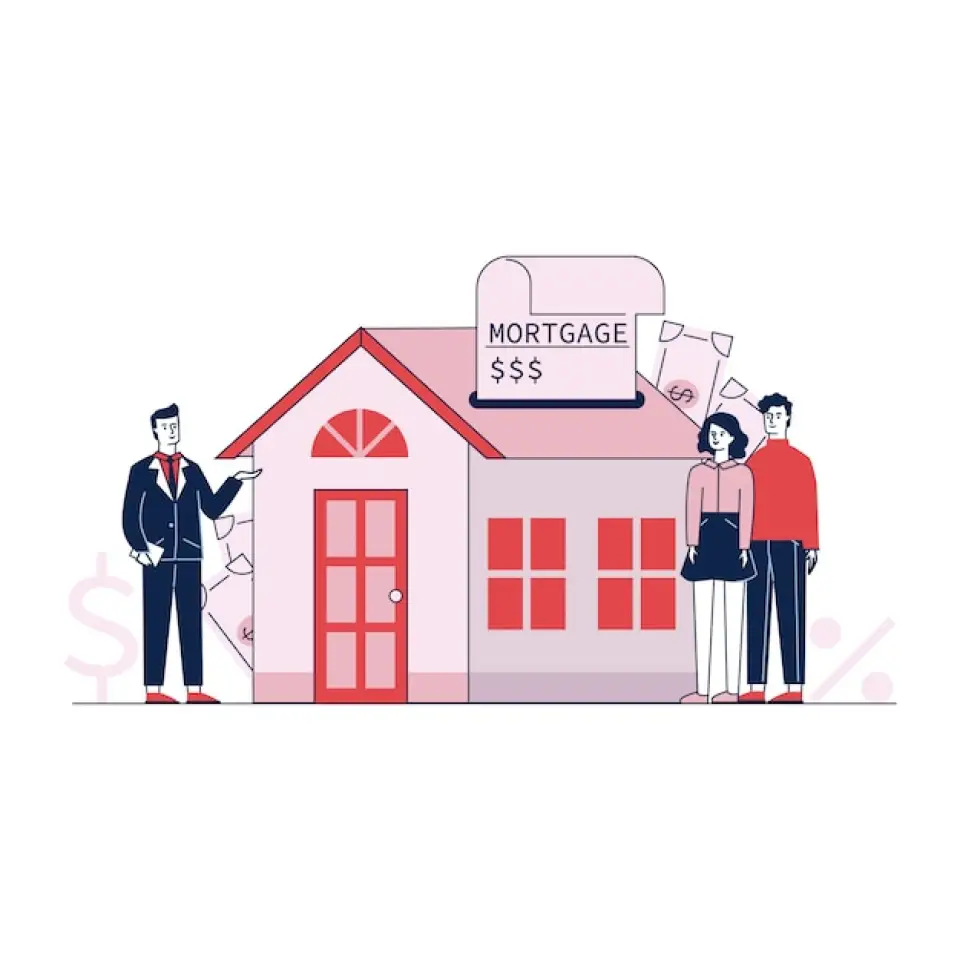
Buying a home is one of the biggest financial milestones, but having low credit can make it seem impossible to qualify for a mortgage. The good news is that in 2026, there are strategies, loan options, and programs designed to help people with less-than-perfect credit get approved. This guide will walk you through everything you need to qualify for a mortgage with low credit while minimizing costs and maximizing your chances of approval.
1. Understanding Low Credit and Mortgage Approval
Your credit score is one of the main factors lenders use to determine your eligibility and interest rate. Scores generally fall into these categories:
- Excellent: 750–850
- Good: 700–749
- Fair: 650–699
- Poor: 550–649
- Very Poor: Below 550
While conventional mortgages typically require a score above 620, low-credit borrowers can still qualify through specific programs, higher down payments, or alternative loan options.
2. Check Your Credit Score and Report
Before applying for a mortgage:

- Obtain your credit report from all three bureaus (Equifax, Experian, TransUnion)
- Check for errors and dispute inaccuracies
- Identify any overdue accounts or collections that could affect approval
Even small improvements, like paying off a credit card or correcting an error, can increase your chances and reduce your interest rate.
3. Consider Government-Backed Loan Programs
Government-backed loans are often the best option for low-credit borrowers:

FHA Loans
- Minimum credit score: 580 (with 3.5% down payment)
- Acceptable with scores as low as 500 (with 10% down)
- Flexible qualification requirements
VA Loans (for veterans)
- Often require no down payment
- More lenient credit standards
- No private mortgage insurance (PMI) required
USDA Loans (for rural properties)
- Low or no down payment
- Credit requirements are flexible
- Targeted for low- to moderate-income households in rural areas
These programs reduce the barriers for those with low credit, making homeownership more accessible.
4. Save for a Larger Down Payment
A larger down payment shows lenders that you are committed and reduces their risk. Benefits include:

- Better approval odds with low credit
- Lower monthly payments
- Reduced need for private mortgage insurance (PMI)
For example, a 20% down payment can significantly improve your chances of qualifying for a conventional mortgage, even with a lower score.
5. Lower Your Debt-to-Income Ratio
Lenders look at your debt-to-income ratio (DTI), which is your monthly debt payments divided by your monthly income.
- Aim for a DTI below 43%
- Pay down high-interest credit cards and personal loans
- Avoid taking on new debt before applying
A lower DTI signals financial stability, which can compensate for a lower credit score.
6. Shop Around for Lenders Who Accept Low Credit
Not all lenders have the same standards. Options include:
- Local banks and credit unions – Often more flexible than large national banks
- Online mortgage lenders – Can provide fast approval and competitive rates
- Mortgage brokers – Compare multiple lenders to find the best fit
Comparing lenders helps you find those most willing to work with low-credit borrowers and ensures you don’t overpay on interest.
7. Prepare Documentation for a Faster Approval
Having documents ready speeds up the mortgage approval process:
- Proof of income (pay stubs, W-2s, or tax returns)
- Bank statements and asset details
- Employment verification
- Identification (driver’s license, Social Security number)
- List of debts and monthly expenses
Being organized demonstrates responsibility and increases lender confidence.
8. Consider a Co-Signer
A co-signer with strong credit can improve your chances of mortgage approval. Benefits include:
- Higher likelihood of approval
- Potentially lower interest rates
- Allows you to qualify for a larger loan amount
However, co-signers are legally responsible for the mortgage if you default, so it requires trust and clear communication.
9. Explore Alternative Mortgage Options
If traditional loans aren’t possible, consider:
- Subprime mortgages – Specifically designed for low-credit borrowers, though interest rates are higher
- Lease-to-own programs – Rent a home with the option to buy later
- Community development programs – Some cities offer grants or low-interest loans to first-time buyers
These options can help you get into a home while continuing to improve your credit for future refinancing.
10. Improve Your Credit While Waiting
Even after securing pre-approval, improving your credit can help reduce your interest rate:
- Pay all bills on time
- Keep credit utilization below 30%
- Avoid new loans or credit cards
- Remove negative items where possible
A better score may qualify you for lower interest rates within months.
11. Avoid Common Mistakes
- Don’t ignore fees – Low-credit mortgages often have higher origination or closing costs; compare total costs
- Don’t make large purchases before approval – New debt can affect your DTI
- Don’t skip pre-approval – Knowing your approval status saves time and prevents surprises
Being proactive and organized improves your chances of qualifying quickly.
12. Final Thoughts
Qualifying for a mortgage with low credit in 2026 is possible if you take the right steps:
- Check and improve your credit score
- Explore government-backed loans like FHA, VA, or USDA
- Save for a larger down payment
- Lower your debt-to-income ratio
- Shop around for lenders willing to work with low-credit borrowers
With patience, preparation, and smart financial decisions, homeownership is achievable even with low credit. Start early, stay disciplined, and you can secure a mortgage while minimizing costs and interest.
FAQs (for featured snippets)
Q1: Can I get a mortgage with a credit score below 600?
A: Yes. FHA loans allow scores as low as 500 with a 10% down payment, and VA or USDA loans may also be options for eligible borrowers.
Q2: How much down payment do I need with low credit?
A: Typically, 10–20% down is recommended, though government-backed loans can allow lower down payments.
Q3: Will a low credit score increase my interest rate?
A: Yes. Lower scores usually come with higher interest rates, which is why improving credit before applying is beneficial.
Q4: Should I use a co-signer?
A: A co-signer with good credit can improve approval chances and interest rates, but they are legally responsible if you default.
Q5: Are there special programs for first-time homebuyers with low credit?
A: Yes, FHA loans, USDA loans, and local community development programs often provide assistance for first-time buyers.