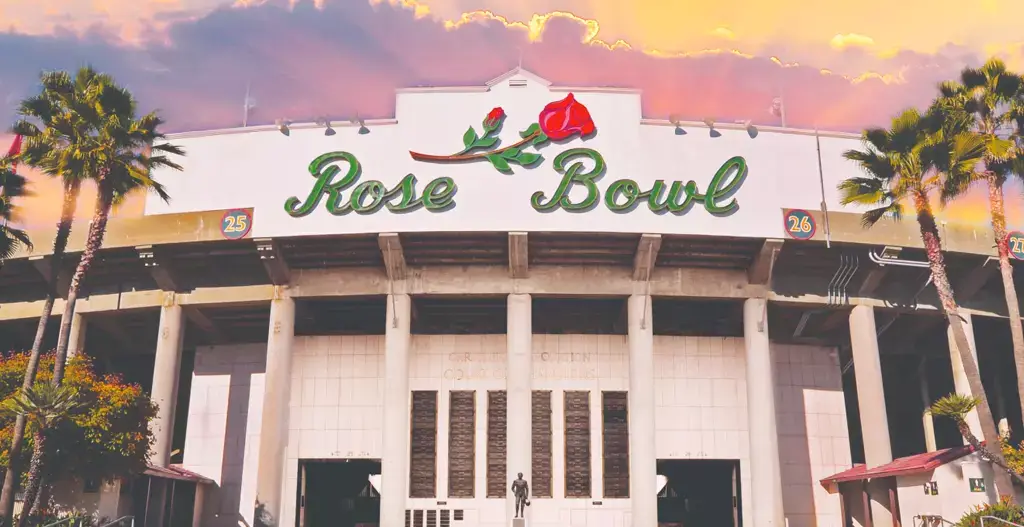
The Rose Bowl Stadium in Pasadena, California, is one of the most iconic sports and entertainment venues in the United States. Known for hosting historic college football games, major concerts, and international sporting events, the stadium has long symbolized celebration, unity, and tradition. However, a reported assault incident at the Rose Bowl has recently drawn national attention, raising serious concerns about public safety, crowd management, and event security at large venues.
This article explains what is known so far about the Rose Bowl assault, why incidents like this occur at major stadiums, how authorities typically respond, and what it means for fans attending large-scale events in the future.

What Happened in the Rose Bowl Assault?
According to initial reports circulating online and through local discussions, an assault occurred during or around a public event at the Rose Bowl Stadium. While full details are still emerging, the incident allegedly involved a physical altercation between individuals within the stadium premises or nearby areas.
At this time, officials have not released complete information regarding:

- The number of people involved
- Whether weapons were used
- The severity of injuries
- Possible arrests or charges
Law enforcement agencies typically withhold detailed information during early investigations to avoid misinformation and protect the integrity of the case. As a result, authorities urge the public to rely only on confirmed updates from official sources.
Why Incidents Occur at Large Stadiums
Unfortunately, assaults and altercations can happen at any large gathering, especially venues that host tens of thousands of people. Several factors can contribute to such incidents:

1. Large Crowds and High Emotions
Sporting events and concerts often involve intense emotions, rivalry, and excitement. These emotions, when combined with stress or provocation, can escalate into physical confrontations.
2. Alcohol Consumption
Alcohol is a common factor in many stadium-related incidents. Excessive drinking can impair judgment, increase aggression, and reduce self-control.

3. Limited Personal Space
Packed seating areas, long lines, and congested walkways can lead to frustration, misunderstandings, and accidental contact that escalates into conflict.
4. Delayed Security Response
Although major venues employ trained security personnel, responding instantly to every situation in a crowd of thousands can be challenging.
The Role of Security at the Rose Bowl Stadium
The Rose Bowl Stadium has historically implemented multiple layers of security, including:
- Uniformed and plainclothes security staff
- Bag checks and restricted item policies
- Surveillance cameras
- Coordination with local law enforcement
Following any reported assault, venue operators typically conduct internal reviews to assess:
- Whether security staffing levels were adequate
- How quickly the situation was identified and controlled
- If any security protocols need improvement
Even one incident can prompt changes to future event planning, including increased patrols or stricter alcohol policies.
Law Enforcement Response and Investigation
When an assault is reported at a major venue like the Rose Bowl, local law enforcement usually follows a standard process:
- Immediate Response – Officers and medical personnel secure the area and assist any injured individuals.
- Evidence Collection – Surveillance footage, witness statements, and physical evidence are reviewed.
- Interviews – Victims, suspects, and witnesses are questioned.
- Charges or Arrests – If sufficient evidence exists, arrests may be made or charges filed later.
Investigations can take days or even weeks, especially if multiple parties are involved or if video evidence must be reviewed.
Public Reaction and Community Concerns
News of a Rose Bowl assault has sparked concern among fans, families, and event organizers. Many attendees view the stadium as a safe, family-friendly destination, and any violent incident can damage public confidence.
Common public concerns include:
- Safety for children and elderly attendees
- Adequacy of crowd control measures
- Alcohol management at events
- Emergency response readiness
Social media often amplifies these concerns, sometimes spreading rumors. Experts recommend waiting for verified updates rather than drawing conclusions based on early speculation.
What This Means for Future Events
While isolated incidents are serious, they do not necessarily indicate a widespread safety failure. However, they often lead to improvements such as:
- Increased security screenings
- Higher visibility of security staff
- Expanded surveillance coverage
- Enhanced staff training in de-escalation
- Clearer reporting channels for attendees
For fans, awareness and preparedness remain key.
Safety Tips for Attending Stadium Events
If you plan to attend events at large stadiums like the Rose Bowl, consider the following safety tips:
- Arrive early to avoid crowd congestion
- Limit alcohol consumption
- Stay aware of your surroundings
- Avoid confrontations or heated arguments
- Report suspicious or aggressive behavior immediately
- Attend events with friends or family when possible
Most venues also offer text or app-based systems to discreetly report security concerns.
Media Responsibility and Avoiding Misinformation
It is important to note that early reporting on incidents like the Rose Bowl assault may contain incomplete or evolving information. Responsible reporting avoids speculation and respects due process.
Readers are encouraged to:
- Follow official statements from law enforcement
- Verify information from trusted news outlets
- Avoid sharing unconfirmed claims on social media
Final Thoughts
The reported Rose Bowl assault is a reminder that even iconic and well-managed venues are not immune to isolated acts of violence. While the investigation continues, the incident highlights the importance of strong security measures, responsible behavior by attendees, and clear communication between venues and the public.
The Rose Bowl remains a landmark of American sports and entertainment. With appropriate responses and continued vigilance, stadium officials and law enforcement can work together to ensure that future events remain safe, enjoyable, and memorable for all attendees.
Understanding the Rose Bowl’s Significance
Located in Pasadena, California, the Rose Bowl Stadium is a National Historic Landmark with a seating capacity exceeding 90,000. It regularly hosts:
- Major college football games
- International soccer matches
- Concerts and festivals
- Large-scale community and cultural events
Because of its size and reputation, any violent incident at the Rose Bowl attracts immediate public scrutiny and media coverage.
What Is Known About the Rose Bowl Assault
Reports indicate that an assault occurred in or around the Rose Bowl venue during a high-attendance event. Law enforcement and emergency responders were reportedly involved, and at least one individual required medical attention.
Authorities have not released all details publicly, which is standard procedure during active investigations. In such cases, officials typically focus on:
- Securing the area
- Assisting victims
- Identifying suspects
- Reviewing surveillance footage and witness statements
It is important to rely only on confirmed information from law enforcement or official statements, as early reports and social media posts can sometimes be inaccurate or incomplete.
Why Assaults Can Occur at Large Stadium Events
Assaults at major venues are rare relative to attendance numbers, but they do happen. Several risk factors often contribute:
1. Large Crowds and High Emotions
Sporting events and concerts generate intense emotions. Excitement, rivalry, and frustration can sometimes escalate into confrontations.
2. Alcohol Consumption
Alcohol is a common factor in stadium-related incidents. Impaired judgment can increase the likelihood of arguments turning physical.
3. Congested Entry and Exit Areas
Many assaults occur not inside the stadium itself but in:
- Parking lots
- Walkways
- Public transit areas
- Concession or restroom lines
These spaces are crowded and harder to monitor.
4. Limited Visibility in Certain Zones
Even with cameras and staff, blind spots can exist in large venues, especially during peak movement times.
Security Measures at the Rose Bowl
The Rose Bowl Stadium typically employs multiple layers of security, including:
- Uniformed and plainclothes security personnel
- Local law enforcement coordination
- CCTV surveillance
- Bag checks and entry screening
- Medical response teams
Following any reported assault, venues usually conduct internal reviews to identify:
- Security gaps
- Staffing needs
- Crowd flow issues
These assessments often lead to enhanced security protocols for future events.
Impact on Attendees and the Community
Incidents like the Rose Bowl assault can have a broader impact beyond those directly involved.
Public Safety Concerns
Fans may feel uneasy attending future events, particularly families or first-time visitors.
Event Policy Changes
Organizers may introduce:
- Stricter alcohol limits
- Increased security presence
- Adjusted entry and exit procedures
Community Trust
The Rose Bowl is a community landmark. Maintaining public trust is essential for continued attendance and tourism.
Legal Consequences of Stadium Assaults
Assaults at stadiums are treated seriously under California law. Depending on the circumstances, charges may range from misdemeanors to felonies, especially if:
- Serious injuries occur
- A weapon is involved
- The victim is a vulnerable individual
Convictions can result in fines, jail time, and bans from attending future events.
What Attendees Can Do to Stay Safe
While no environment is entirely risk-free, attendees can reduce personal risk by:
- Staying aware of surroundings
- Avoiding confrontations
- Limiting alcohol consumption
- Reporting suspicious or aggressive behavior
- Following instructions from security staff
Most stadiums encourage fans to report incidents immediately, as early intervention can prevent escalation.
Broader Conversation About Event Safety
The Rose Bowl assault highlights a national issue affecting large venues across the United States. As events return to full capacity, safety planning must balance:
- Fan experience
- Accessibility
- Security effectiveness
Many experts argue that prevention, visibility, and rapid response are more effective than overly restrictive measures.
Final Thoughts
The Rose Bowl assault is a sobering reminder that even iconic and well-managed venues must remain vigilant. While investigations continue, the focus remains on supporting those affected, ensuring accountability, and improving safety measures.
For most fans, the Rose Bowl remains a safe and enjoyable destination. Incidents like this, while alarming, also serve as opportunities to strengthen security practices and reinforce the shared responsibility of organizers, authorities, and attendees.
FAQs (Optimized for Featured Snippets)
What happened in the Rose Bowl assault?
An assault was reported during or around an event at the Rose Bowl Stadium, prompting a response from law enforcement and medical personnel. Investigations are ongoing.
Did the assault occur inside the Rose Bowl Stadium?
Reports suggest the incident occurred in or near the stadium, but officials have not confirmed exact details publicly.
Is the Rose Bowl Stadium safe for events?
Yes. The Rose Bowl has extensive security measures in place, and incidents are rare compared to the number of attendees each year.
Were arrests made in the Rose Bowl assault?
Authorities have not confirmed arrest details publicly as investigations are still underway.
Can people be banned from the Rose Bowl after an assault?
Yes. Individuals involved in violent incidents may face legal charges and be permanently banned from future events.
How can attendees report safety concerns at the Rose Bowl?
Attendees should immediately notify stadium security personnel or local law enforcement if they witness or experience unsafe behavior.